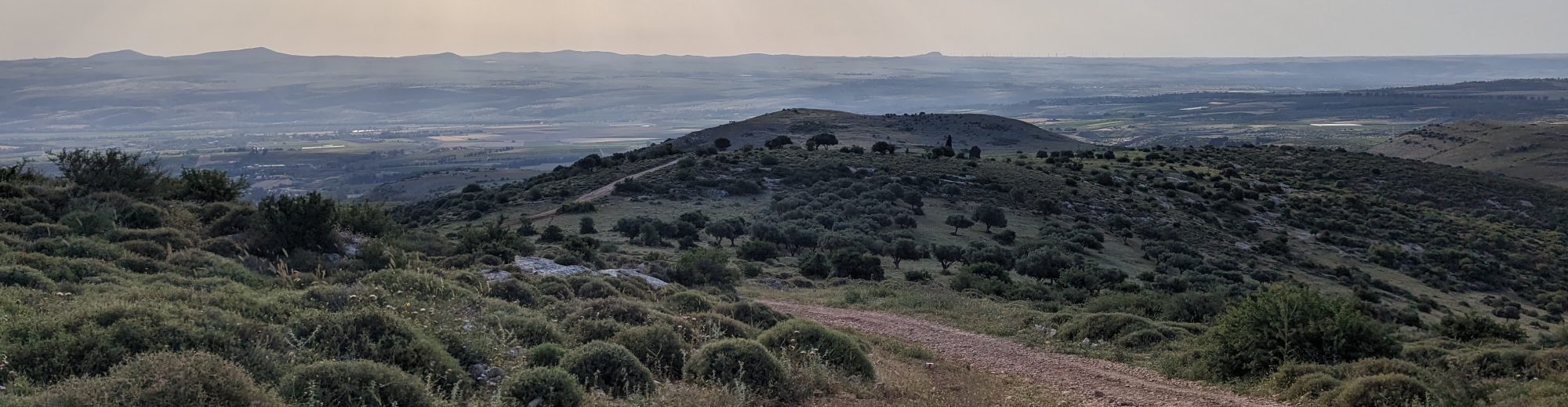
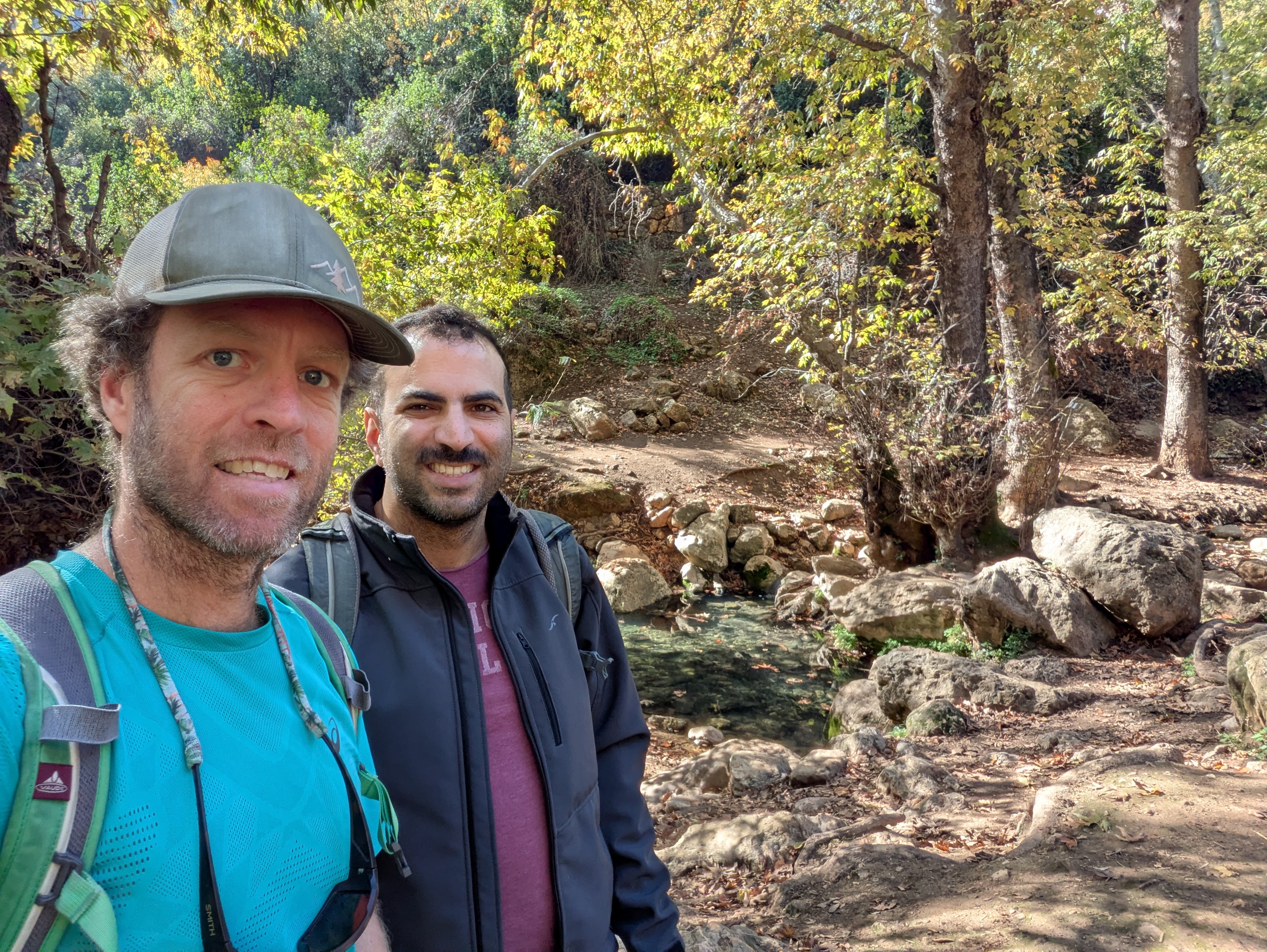
I spontaneously joined a friend for a hike yesterday. I was planning to get some work on the computer done, but I felt it in my body that I needed to get a breath of fresh air and clear my head. He called, said that he’s going for a hike, and I reflexively responded that I am coming too. Great decision. Fun day 🙂
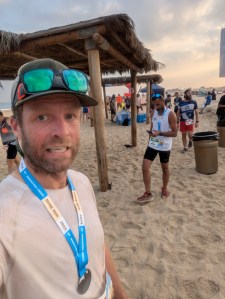
There was a rather fun opportunity to run an early morning 10k among the sand dunes at the end of June. Amid the heat of summer the run commenced at 5am, which didn’t change the fact that one would have thought I went swimming in the sea with all my clothes by the time I finished. But it was a nice challenge to run 10k in sand, and with humidity and heat, a type 2 fun at it’s finest. If you live in a climate with a hot and or humid summer, how do you cope while running?
Minahan, D., Goren, M., & Shafir, S. (2024). Unbalanced dietary omega-6: 3 ratio affects onset of nursing and nurse–larvae interactions by honey bees, Apis mellifera. Animal Behaviour.
Summary: Honey bees are important animals in the system promoting global food security. And they collect pollen and nectar from a wide range of flowering plants. A large quantity of their macronutrients (e.g., proteins, and fats) come from pollen. However, not all plants produce pollen of the same nutritional value. For example, corn pollen can be widely abundant, and in some cases collected by honey bees. But it is rich in omega 6, but deficient in omega 3 fatty acids. And as you may know, omega 3 fatty acids are quite important for the well being of many animals including humans. Which is why there is a big push these days to increase the consumption of omega 3 rich foods like fish, or flax seeds.
In this study we asked whether an overabundance of omega 6 relative to omega 3 fatty acids (ratio of omega 6 to omega 3 = 5, so 5x the quantity of omega 6) in the diet of young adult bees affects their nursing behavior. To monitor nursing behavior we placed small barcodes on the thorax of a bee and video recorded her visits to young larval bees inside the nest.
Background: Nursing behavior is important for honey bees, along with many other insects, and animals, including humans! In honey bees, the younger adult bees spend their time working inside the hive, keeping things tidy and clean, and making sure that all the bees inside the hive are well fed. This is particularly important for the immature, larval bees which develop singly inside a tiny hexagon shaped cell and must be fed a jelly like substance by nurse bees. This continues for 5.5 days for those destined to be workers, after which the larval bee is sealed away inside it’s cell to undergo metamorphosis, where it will emerge as a new adult bee. The amount and nutritional quality of food the larval bee is fed may affect its body size, but also it’s cognitive abilities and overall health.
The nurse bees must therefore be capable of detecting when bees are in need of food, and to ensure they consume the appropriate quantity and nutritionally balanced quality necessary. In the experiment reported in this paper we found the nursing activity of adult bees was affected by the ratio of omega 6 to omega 3 consumed during the first 7 days following adult emergence. Specifically, that the age which bees begin nursing activity occurs later, while the frequency of nursing visits is lower. This suggests that honey bee colonies that do not consume a balanced omega 6 to omega 3 diet may produce bees into the next generation that are malnourished from lower food quantity, consumption inconsistency, and possibly nutritional imbalances. Further work is needed to test these hypotheses and to better define the expected impacts of rapid environmental change on the health and well being of honey bees and other pollinators essential to global food security.
This book summarizes the most up to date knowledge regarding the foraging (e.g., resource collecting) behavior of this important pollinator. I had the good fortune of co-writing Chapter 6: Honey bee pollination ecology, with my PhD supervisor, Dr. Johanne Brunet.
Was able to ski the American Birkebeiner in Hayward, WI for the second year in a row. The first time I signed up, in 2017, it was cancelled. Fortunately 2018 and 2019 turned out to be great years for skiing, with good snow and appropriate temps right around 30F.
It felt good to take a break from dissertation writing, which was much needed. I am challenging myself to stick with a schedule, otherwise I find that I begin feeling ready to burn out. Taking time to ski or run, and most importantly spend time with my better half is essential to preventing this burn out and keeping the focus.
This weekend provided a great avenue to do this. We rented a cabin, hung out and skied with good friends, ate good food, and enjoyed the Northwoods winter. Now to continue buckling down until my defense date of April 26, albeit with scheduled physical and mental health time in the form of running, and time spent off the computer with those I love. Keep the focus and good things will come!
Danny presenting a talk at the University of Wisconsin – Madison. This was part of the Wednesday Night at the Lab series, which occurs 50 weeks out of the year. We had a lot of fun learning about looking beyond the honey bee, to broaden our focus towards all the bees. Honey bees are amazing and valuable insects, but should be discussed together with all of the other under-appreciated bee species (and other pollinator groups). Most of these species are solitary, some are small, some are large, but they all do wonders for food production, wild flowers, and gardens. So let’s continue to support bee conservation efforts! Please watch the video below for some neat pictures, more information about the bees, and to see some interesting data from my research highlighting persistent differences in the foraging activity of honey bees and bumble bees. Finally, if you are interested in digging deeper please check out the following websites:




 Danny Minahan